Your weekend in Aruba: Tue 11 Nov to Mon 01 Dec 2025
- 6 min read
Your Aruba Weekend Guide: November 11 - December 1, 2025
By Diana Croes, Local Expert
Bon bini, friends! Welcome to what I consider one of the most magical times to visit our little island paradise. As we transition from November into December, Aruba transforms into a celebration of culture, color, and that unmistakable Caribbean warmth that keeps visitors coming back year after year. Whether you’re here for a quick weekend getaway or settling in for a longer stay, I’ve got you covered with the best of what’s happening on our One Happy Island.
The Big Events You Can’t Miss
1. Aruba Carnival Season Kickoff (Starting November 11)
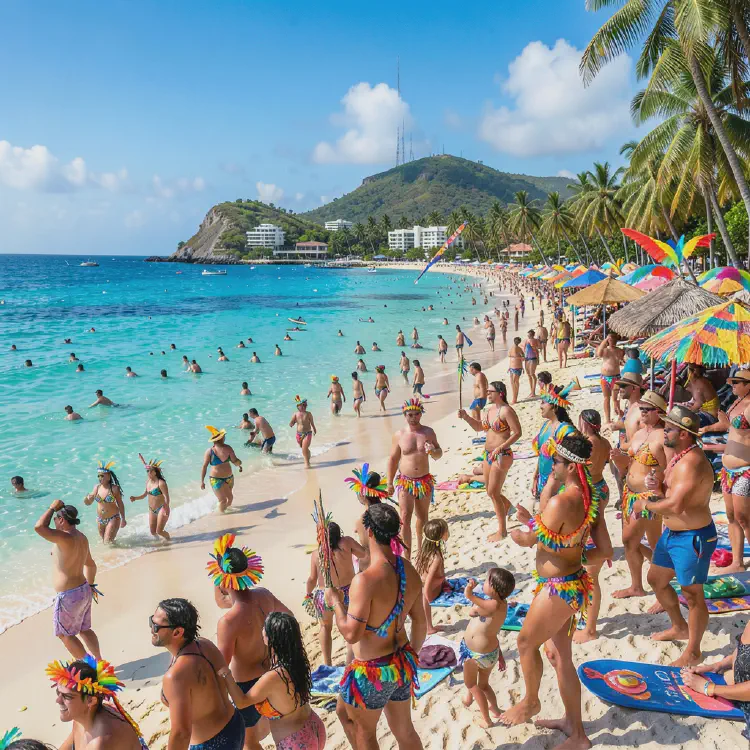
If you thought Carnival was just a February thing, think again! Our Carnival season officially launches in early November, and by the 11th, the energy is already electric. This isn’t just an event; it’s the heartbeat of Aruban culture.
What to expect: Road marches, music competitions, and the infectious rhythms of tumba and soca filling the streets. Local bands start their competition rounds, and you’ll see elaborate costume previews at various venues around the island.
Insider tip: Head to the Cas di Cultura in Oranjestad for early Carnival events. The locals gather here, and trust me, nothing beats dancing alongside Arubans who’ve been doing this their whole lives. Check local listings for specific event times, as schedules can vary weekly.
Cost: Many street events are free; ticketed shows typically range from $15-40 USD.
2. Bon Bini Festival (December 1)
This is my personal favorite way to introduce visitors to authentic Aruba! Every Tuesday evening at historic Fort Zoutman, the Bon Bini Festival showcases our folklore, music, dance, and local crafts.
Location: Fort Zoutman, Oranjestad (right in the heart of downtown) Time: 6:30 PM - 8:30 PM Cost: Approximately $5 USD admission
What you’ll experience: Traditional “Dande” music, folk dancers in colorful “karko” dresses, local artisans selling handmade crafts, and some of the best local snacks you’ll find anywhere. Try the pastechi (our beloved cheese-filled pastry) and wash it down with a cold Balashi beer.
Diana’s tip: Arrive by 6:00 PM to grab a good spot and browse the craft vendors before the performances start. The fort itself dates back to 1798, so take a moment to explore the Willem III Tower and soak in some history.
3. Beach Hopping Adventure
With nearly three weeks to explore, dedicate at least two or three days to discovering our diverse coastline.
Must-visit beaches:
- Eagle Beach: Consistently ranked among the world’s best. Perfect for morning walks and those iconic divi-divi tree photos.
- Baby Beach: On the southeastern tip, this shallow lagoon is ideal for snorkeling and families.
- Boca Catalina: My secret spot for snorkeling without the crowds. The calm waters and abundant sea life make it perfect for beginners.
- Arashi Beach: Just north of the lighthouse, great for sunset watching and experienced snorkelers.
Practical info: Beach access is free throughout Aruba. Rent chairs and umbrellas for about $10-15 USD per set at popular beaches.
4. Arikok National Park Exploration
Covering roughly 20% of our island, Arikok National Park is where you’ll discover the “real” Aruba beyond the resorts.
Hours: 8:00 AM - 4:00 PM daily Admission: $15 USD for adults, $9 USD for children (valid for one week)
Highlights:
- Natural Pool (Conchi) - a hidden swimming hole surrounded by volcanic rock
- Fontein Cave with ancient Arawak drawings
- Boca Prins for dramatic wave watching (not for swimming!)
- Dos Playa for experienced surfers
Diana’s tip: Book a UTV or jeep tour if you’re not comfortable with rough terrain driving. The roads to the Natural Pool are challenging, and many rental car policies don’t cover Arikok damage. Tours run approximately $85-150 USD per person.
5. Oranjestad Walking Tour and Shopping
Our capital city deserves at least half a day of exploration.
Start at: Royal Plaza Mall Don’t miss:
- The colorful Dutch colonial architecture along Main Street
- Renaissance Marketplace for waterfront dining
- The free trolley that runs through downtown
- Local boutiques selling Aruban aloe products and Dutch cheeses
Best time to visit: Morning hours (9:00 AM - 12:00 PM) before cruise ship crowds arrive.
6. San Nicolas Art Walk
The island’s second city has transformed into a vibrant street art destination.
Where: San Nicolas downtown area Cost: Free to explore
Wander through streets adorned with murals from international artists, pop into local galleries, and experience a more authentic, less touristy side of Aruba. On weekends, you might catch live music or pop-up food vendors.
7. Sunset Catamaran Cruise
No Aruba visit is complete without experiencing our legendary sunsets from the water.
Options range from: $45-95 USD per person Duration: Typically 2-3 hours What’s included: Usually open bar, snacks, and snorkeling stops
Book with: DePalm Tours, Red Sail Sports, or Pelican Adventures are reliable operators.
Weather Considerations
November into December is prime time for visiting Aruba, and here’s why we call ourselves “One Happy Island” during these months:
What to expect:
- Temperatures hovering around 82-88°F (28-31°C)
- Low humidity compared to other Caribbean islands
- Consistent trade winds keeping things comfortable
- Minimal rainfall (we’re outside the hurricane belt!)
- Water temperatures around 80°F (27°C) - perfect for swimming
Pack accordingly:
- Light, breathable clothing
- Reef-safe sunscreen (our coral thanks you!)
- A light layer for air-conditioned restaurants
- Comfortable walking shoes for exploring beyond the beach
- A windbreaker if you’re heading to the north coast
Sun warning: Don’t let the trade winds fool you! The breeze masks the sun’s intensity. Reapply sunscreen every two hours, and consider a rash guard for extended water activities.
Local Tips and Insider Knowledge
Getting around:
- Rent a car for maximum flexibility (about $35-50 USD per day)
- Download the “Aruba” app for local deals and information
- Taxis don’t use meters; agree on the price before riding
- The Arubus system is affordable but limited
Dining like a local:
- Eat where Arubans eat: Zeerovers in Savaneta for fresh-caught fish (cash only!)
- Try our national dish: Keri Keri (shredded fish with creole sauce)
- Lunch specials at local restaurants offer the best value
Money matters:
- US dollars are accepted everywhere
- The local florin is pegged at 1.80 to the USD
- Tip 15-20% at restaurants (not always included)
- Many places accept credit cards, but carry cash for smaller vendors
Respect local customs:
- Beach cover-ups are expected in town and restaurants
- Topless sunbathing is not permitted on public beaches
- Arubans are friendly - a simple “bon dia” (good morning) goes a long way
Final Thoughts
These three weeks offer the perfect window to experience Aruba at its finest. The Carnival energy is building, the weather is impeccable, and the island strikes that beautiful balance between festive and relaxed. Whether you’re dancing to tumba rhythms at a Carnival preview or floating in the crystal-clear waters of Baby Beach, you’ll understand why we say “Aruba - where happiness finds you.”
Have questions about planning your trip? Feel free to reach out, and remember: in Aruba, there’s no such thing as a stranger, only friends you haven’t met yet.
Dushi Aruba!
For the most current event schedules and updates, visit visitaruba.com or check with your hotel concierge upon arrival.